
5 ways Zotero Users can Leverage AI
By DeepTutor Team, Research & Product • Dec 8, 2025 • Updated Dec 8, 2025 • 5 min read
For many researchers, academics, and scholars, Zotero is the industry-standard research assistant because of its citation management, organization features, and support for academic writing and collaboration. Zotero has streamlined the research workflow for years and remains a cornerstone for researchers worldwide. The emergence of AI can further complement the features Zotero users know and love.
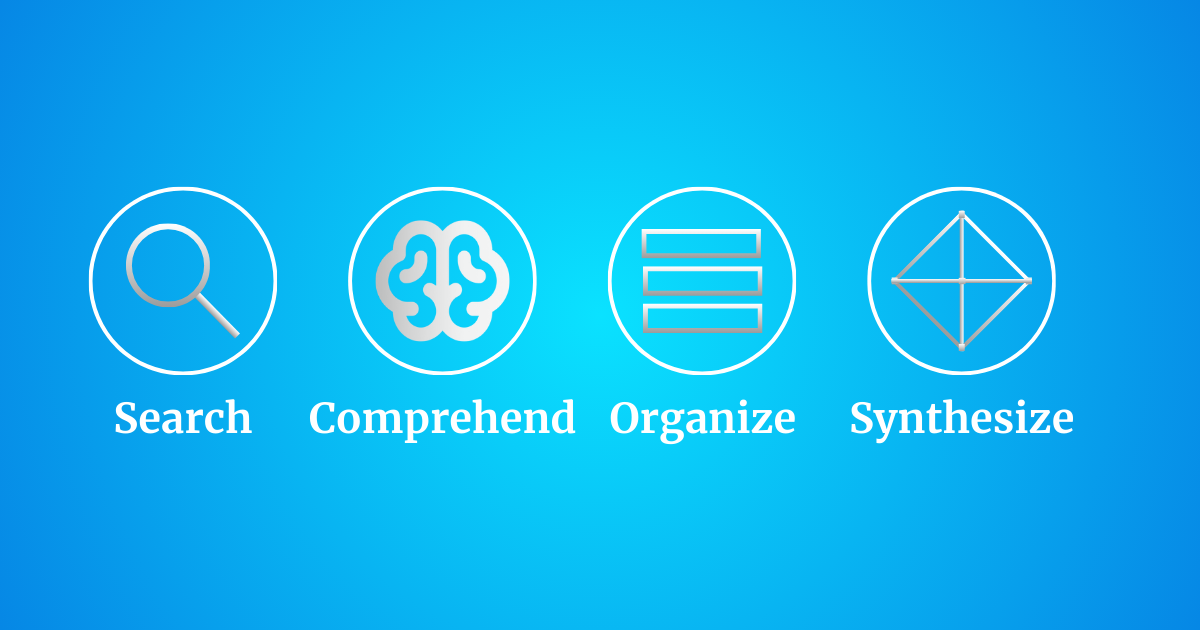
In this post, we explore how you can leverage AI to support the way you search, read, organize, and synthesize research. These five strategies map directly to familiar Zotero habits, so you can add AI without rebuilding your entire workflow from scratch.
1. Find the papers you need with AI
Zotero gives its users the ability to store documents in a single workspace for easy access. With the in-app PDF viewer, you can stay in one window for both your library and your current read. Library access is imperative for researchers, but Zotero does not assist in procuring papers to build that library.
Based on your topic or paper of interest, AI can surface related studies by scanning large databases and public repositories. Offloading the initial search to AI cuts down the time it takes to find relevant sources, which means you spend less energy on administration and more on deep reading.
2. Use AI to enhance comprehension
Zotero users have to deal with a wide range of papers, each with its own length, difficulty, and depth. Tackling every paper manually can be draining, especially when you need background knowledge from multiple domains.
AI can quickly pass through documents and provide preliminary summaries that highlight the key sections of a paper. Those summaries act as scaffolding for comprehension-they help you confirm relevance, surface the claims you intend to verify, and focus your attention on the passages that deserve a careful read.
3. Take notes with AI-powered evidence extraction
You rarely stop at reading; Zotero power users annotate heavily so they can cite and compare evidence later. The combination of dozens of papers and constant note-taking can lead to fatigue or missed insights.
With AI, you can auto-highlight claims, data points, and citations that deserve to be captured. That creates a streamlined note-taking pass where the important excerpts are ready to be reviewed, tagged, or exported into Zotero notes for future writing.
4. Automate tagging for quick, consistent organization
Zotero lets you keep libraries organized through tags, folders, and sub-collections. After you finish a paper, you can place it in the right collection, but that still leaves a backlog of unread documents that have yet to be sorted.
AI-powered tagging can classify new uploads based on keywords, semantics, and intent-without waiting for you to read every page. This keeps your Zotero collections tidy, ensures consistent naming, and reduces the mental load of deciding where every paper belongs.
5. Spot trends across your library with AI
As your Zotero library grows, it becomes harder to remember where each idea lives or how multiple papers connect. That additional time spent sifting through collections can slow down synthesis across documents.
AI can search across the entire library to surface themes, opposing viewpoints, or supporting evidence in seconds. When relevant details are easier to find, you can synthesize faster, follow threads you might have missed, and keep projects moving even when the number of sources becomes overwhelming.
Conclusion
Zotero has supported researchers for years by organizing citations, PDFs, and annotations. AI builds on that foundation by speeding up discovery, improving comprehension, and automating repetitive tasks that used to consume entire afternoons.
As AI tools continue to evolve, Zotero users can lean on platforms like DeepTutor to complement their workflows rather than replace them. Use AI where it removes friction, keep manual control over the judgments that matter most, and you'll accelerate the pace of your research without sacrificing rigor.